Back to Blog Page
Arrow Solar
comments (0)
September 5, 2025

On-Grid Solar System Explained: Everything You Need to Know
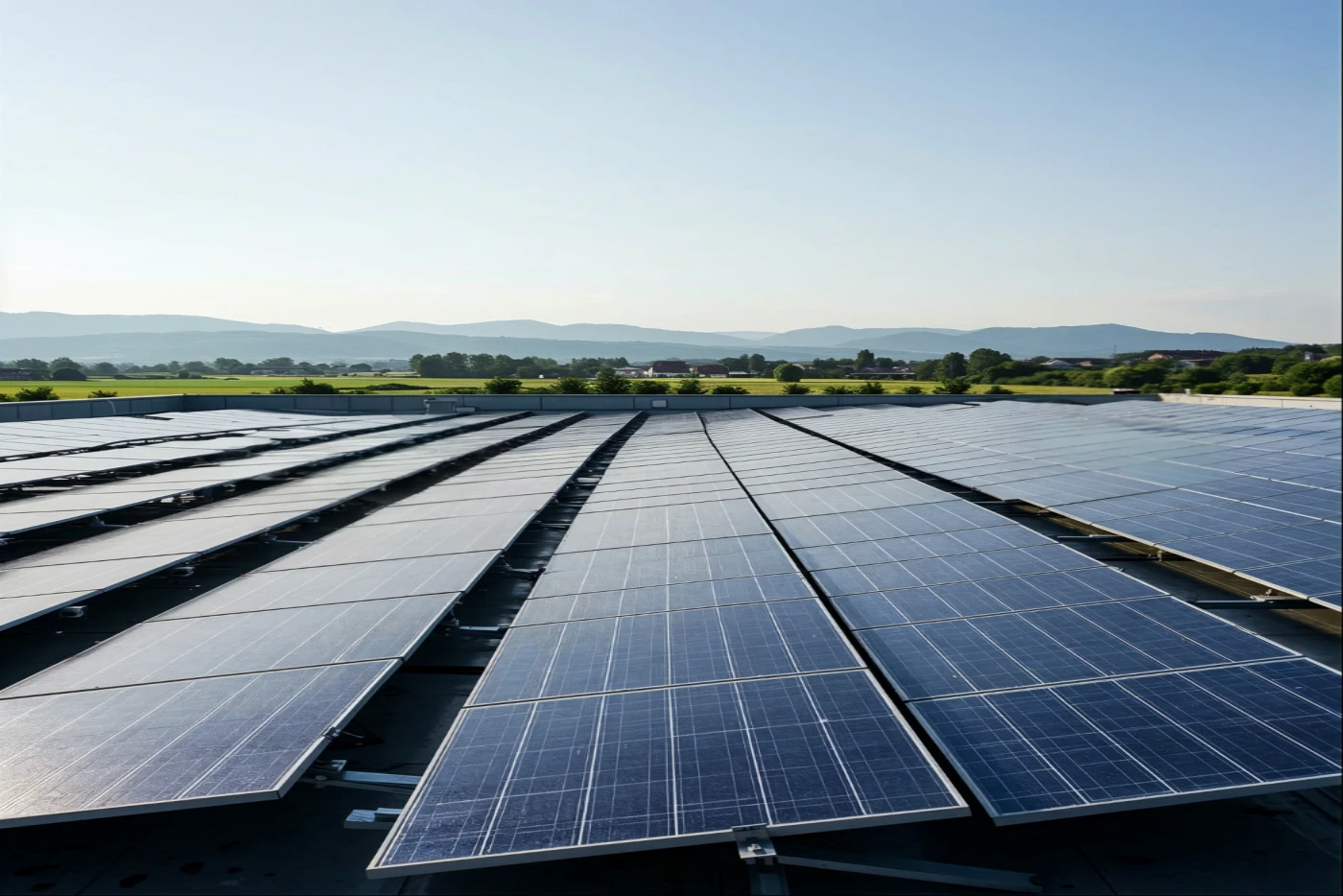
On-Grid Solar System

One of the most well-liked options for companies, industries, and homes wishing to lower electricity bills while promoting clean energy is the on-grid solar system. An on-grid system, as opposed to a freestanding system, is directly connected to the main power grid, enabling users to produce their own solar energy while maintaining access to traditional electricity as necessary. It is an effective, economical, and dependable option for sustainable energy needs because of its smooth integration. 

How On-Grid Solar Systems Work

An on-grid solar system is made to cooperate with the electrical grid in your area. An inverter, solar panels, and the electrical grid connection are the three primary parts of the process. This is the step-by-step process:

  • Solar Power Generation: Sunlight is captured by solar panels, which then transform it into direct current (DC) electricity. More electricity is produced when there is more sunshine available.
  • Conversion to Usable Power: A solar inverter transforms the DC electricity into alternating current (AC). The most common type of electricity utilized in homes and businesses is AC.
  • Power Consumption: Your home or place of business receives the generated AC power, which powers lighting, appliances, and other electrical systems.
  • Excess Power Export: A net meter is used to return excess power to the electrical grid when the system generates more electricity than you use.
  • Grid Backup: To guarantee a steady supply of electricity during times when solar output is low (such as at night or on overcast days), power is taken from the grid.

The on-grid solar system’s dual functionality ensures that your energy needs are always satisfied while reducing reliance on storage batteries, making it extremely dependable.

Key Components of an On-Grid Solar System

The efficiency of an on-grid solar system is dependent on a number of critical factors and operates in harmony with the local electrical grid. The system’s major component, solar panels, collect sunlight and transform it into direct current (DC) electricity. In rooftop on-grid solar systems, these panels are positioned atop rooftops to maximize solar exposure. The solar converter subsequently transforms the produced electricity into alternating current (AC), which is appropriate for use in homes or businesses.

A net meter tracks the amount of electricity used from the grid as well as the extra power returned, and mounting supports keep the panels firmly angled to capture the most sunlight. This feature is particularly useful for rooftop on-grid solar systems since it allows companies and homeowners to lower their electricity expenses and take advantage of net metering. In addition to providing protection against electrical malfunctions, the distribution board and safety devices guarantee that electricity enters the building’s wiring system smoothly. Lastly, by balancing solar power with grid electricity when sunlight is insufficient, the integration with the utility grid ensures a dependable power source.

These elements work together to make the on-grid solar system an economical, secure, and effective way to switch to renewable energy.

Advantages of On-Grid Solar Systems

Due to its many benefits, on-grid solar systems are among the most popular renewable energy options for residences, workplaces, and organizations. Cost savings are one of the main advantages since net metering allows excess electricity to be exported back to the utility grid, which lowers or even eliminates monthly power payments. Homeowners can reduce their reliance on conventional electricity sources and generate clean, sustainable energy by utilizing unused rooftop space with a rooftop on-grid solar system.

Because these systems don’t require costly battery storage, they are also less expensive than off-grid configurations. The grid serves as a backup in the event that solar power isn’t enough. By lowering carbon emissions and dependence on fossil fuels, they also support environmental sustainability. Because there are fewer parts to maintain, maintenance is low, making it a wise long-term investment.

The on-grid solar system offers urban homes and businesses a dependable, cost-effective, and environmentally responsible solution to meet their energy needs while guaranteeing savings and promoting a better future.

Steps to Install an On-Grid Solar System

On-Grid Solar System

To guarantee optimal efficiency and long-term performance, installing the greatest on-grid solar system involves meticulous design and execution. The following steps are usually included in the process:

  • Evaluation of the Site and Feasibility Study: A qualified team assesses your open space or rooftop to ascertain the load requirements, solar exposure, and available area. This aids in determining the system’s appropriate capacity.
  • Planning and System Design: Engineers plan the on-grid solar system configuration, including the amount of solar panels, inverter capacity, and wiring requirements, based on energy demand and roof structure.
  • Purchasing Equipment: High-quality solar panels, mounting frames, inverters, and other necessary parts are sourced by the installation crew. Selecting the top on-grid solar system guarantees longevity and increased energy production.
  • Installation of Mounting Structures: To hold the solar panels at the ideal angle for absorbing the most sunlight, sturdy, weatherproof mounting frames are affixed to the rooftop.
  • Installing Solar Panels: The panels are oriented for maximum energy generation and firmly fixed to the structure. Higher efficiency and fewer shading problems are guaranteed with proper placement.
  • Connecting the Inverter and Wiring: An inverter, which transforms direct current (DC) into alternating current (AC) for usage in homes or businesses, is linked to the solar panels. To prevent any power outages, safety precautions are implemented.
  • Connecting to the Grid and Using Net Metering: A net meter is placed to monitor energy use and excess power exported back to the local electrical grid, and the system is connected to it.
  • Commissioning and Testing: Before the system is fully functional, it is put through a rigorous testing and inspection process to make sure all of its parts are operating safely and effectively.

These guidelines will help businesses and homeowners establish the greatest on-grid solar system possible, guaranteeing energy independence, financial savings, and environmentally benign power production.

Maintenance and Performance Monitoring

Although a rooftop on-grid solar system typically requires little upkeep, routine maintenance guarantees maximum effectiveness and a longer system life. Avoiding unexpected malfunctions and energy losses is another benefit of proper maintenance. Important elements of upkeep and observation include of:

  • Frequent Panel Cleaning: Debris, dust, grime, and bird droppings can all lower the efficiency of solar panels. Maximum absorption of sunlight is ensured by cleaning the panels every few months.
  • Examining the connections and wiring: Periodically inspecting cables, junction boxes, and inverter connections helps to avoid power outages or wear-and-tear damage.
  • Monitoring of Inverter Health: The fundamental component of a rooftop on-grid solar system is the inverter. Smooth energy conversion from DC to AC is ensured by tracking its operation via built-in screens or smartphone apps.
  • Monitoring Performance: The majority of contemporary systems have apps or monitoring software that lets users keep tabs on energy production on a daily, monthly, and annual basis. This facilitates the speedy identification of inefficiencies or system problems.
  • Expert Annual Upkeep: A professional checkup should be scheduled at least once a year to make sure all parts are functioning properly and that any possible problems are fixed before they become serious ones.

You can guarantee that your rooftop on-grid solar system will continue to provide dependable, clean, and affordable electricity for many years to come by adhering to these maintenance procedures and keeping an eye on system performance.

Conclusion

One of the best and most economical methods to use renewable energy for homes and businesses is with an on-grid solar system. You can lower your electricity costs, help the environment, and experience long-term energy independence with a rooftop on-grid solar system or a bigger configuration. These systems can produce reliable results for decades if they are installed correctly, maintained often, and have their performance monitored. Purchasing the greatest on-grid solar system is not just a sustainable financial choice, but also an environmentally responsible one.

💬 Chat for Subsidy Help

Arrow Solar

Leave a comment

Your email address will not be published. Required fields are marked *