
Back to Blog Page
Arrow Solar
comments (0)
September 2, 2025

Government Solar Subsidy Explained: Save More on Your Solar Investment

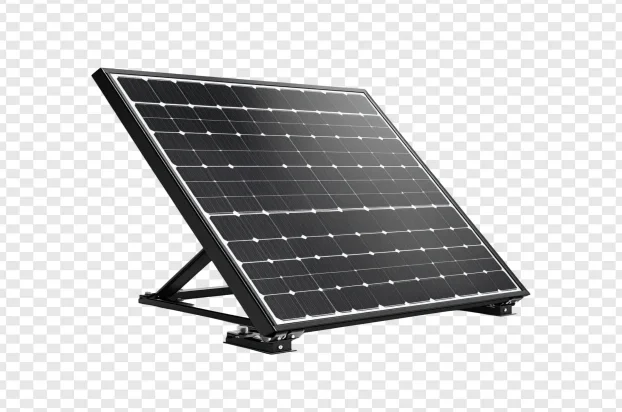
Government Solar Subsidy

Solar energy is now one of the most economical and environmentally friendly options for homes and businesses, and the demand for clean and renewable energy is rising quickly. The hefty initial cost of installing solar panels, however, frequently deters individuals from switching. The Government Solar Subsidy is essential in this situation.

The government facilitates solar energy investments for housing societies, small enterprises, and households by providing financial aid. Long-term savings and environmental advantages result from these subsidies, which also lower the initial outlay and promote the widespread use of government-subsidized solar panels.

What is a Government Solar Subsidy?

A government financial incentive that lowers the cost of installing solar panels is called a government solar subsidy. By making solar energy more accessible and cheap, these incentives aim to persuade businesses, housing societies, and people to embrace renewable energy.

Simply put, the government covers a portion of the entire system cost on your behalf when you decide to install solar panels. By lowering your initial outlay, you can take advantage of solar energy without having to shoulder the entire cost.

By closing the affordability gap, the program seeks to encourage the usage of government-subsidized solar panels. Households and businesses can transition to renewable energy and save a substantial amount of money on power costs over time with these subsidies.

Benefits of Government Solar Subsidy

Combining solar energy with a government solar subsidy makes the decision much more appealing. It benefits businesses, homeowners, and the nation overall because of its financial and environmental benefits. Here are a few of the main advantages:

  • Lower Initial Investment: Installing solar panels can be extremely expensive. Because the government covers a percentage of the cost, solar panels that are subsidized are substantially less expensive.
  • Quicker ROI (return on investment): Your solar system’s payback period is greatly shortened due to the lower initial cost. Your electricity bills begin to decrease sooner rather than later.
  • Long-Term Financial Gains: Already, solar panels save money by lowering electricity costs. The subsidy maximizes the value of your investment and provides even larger long-term financial rewards.
  • Encourages the Use of Green Energy: Government-subsidized solar panels encourage consumers to choose them, which lowers carbon emissions and advances national renewable energy targets.
  • Greater Accessibility: Through subsidies, solar technology is now affordable for small businesses, housing societies, and normal households in addition to huge corporations.

Types of Government Solar Subsidies Available

Government Solar Subsidy

The government provides several forms of assistance to lower the cost and facilitate the uptake of solar energy. Depending on whether you are a business owner, a member of a housing society, or a homeowner, these incentives differ. The main categories of possible subsidies are listed below:

  • The Central Government Incentives: Installing rooftop solar systems can be financially supported by the Ministry of New and Renewable Energy (MNRE) for both individuals and residential societies.
  • The State Government’s Contribution: Many state governments have their own government-subsidized solar panel programs in addition to federal ones. These could be region-specific benefits, loosened approval procedures, or more financial aid.
  • Incentives for Net Metering: Businesses and families can sell extra electricity produced by their solar systems back to the grid under net metering regulations. This increases overall savings in addition to lowering bills.
  • Tax Advantages and Additional Rewards: Installing solar panels might sometimes qualify you for tax benefits or incentives. The cost of moving to sustainable energy is further decreased by these incentives.

The government makes sure that subsidized solar panels are accessible to a broad spectrum of individuals by combining these advantages.

Eligibility Criteria for Subsidized Solar Panels

Not everyone is eligible for the Government Solar Subsidy, despite the fact that it reduces the cost of solar adoption. You have to meet a variety of requirements and conditions in order to be eligible for these rewards. 

1. Who Is Eligible to Apply?

  • Solar systems are being installed on the rooftops of individual homes.
  • Residential welfare associations (RWAs) or housing societies.
  • Some states have small companies or institutions.

2. Installation Type

  • Generally speaking, the incentive is only available for rooftop solar installations.
  • Large-scale commercial installations or those that are ground-mounted could not be eligible for residential subsidy programs.

3. Needs of the Vendor

  • Government-approved vendors (MNRE empanelled vendors) are required to install the solar panels. Your claim for a subsidy may be rejected if you use unregistered vendors.

4. Limits on Capacity

  • Frequently, subsidies are offered up to a specific capacity (for residential houses, 3kW to 10kW, for example).
  • Subject to program regulations, housing organizations may get subsidies for larger capacities.

5. Documentation

  • Usually, applicants must supply:
  • Evidence of residency or ownership.
  • Copies of electricity bills.
  • Identity documents (PAN/Aadhar).

6. Details of the vendor and the proposed installation.

  • You may maximize your savings and make sure your installation is eligible for government-subsidized solar panels by meeting these eligibility conditions.

Step-by-Step Process to Avail Government Solar Subsidy

Although it may seem difficult, obtaining a government solar subsidy is actually very simple if you follow the correct procedures. To assist you in claiming your benefits, below is a condensed guide:

  • Select an Authorized Supplier: For your solar installation, start by choosing a vendor who has been approved by the government (MNRE empanelled).Subsidized solar panels are only available for installations made by authorized vendors.
  • Send in Your Application: Apply via the official website of your state or the National Portal for Rooftop Solar. Enter the necessary information, such as your personal details, installation proposal, and electrical connection details.
  • Acceptance of Technical Feasibility: Your application is reviewed by the local power distribution corporation, or DISCOM. They determine whether your connection and rooftop are appropriate for solar power installation.
  • Solar Panel Installation: Your provider installs the solar panels in accordance with government regulations after they are approved. During this phase, the net metering setup is also organized.
  • Examining and Confirming: The system is inspected by the DISCOM or relevant body upon installation. They confirm that all necessary instructions are followed throughout the installation.
  • Payment of Subsidies: Depending on the plan, the subsidy amount is either modified with the vendor’s invoice or credited straight to your bank account after verification.

Homeowners and housing societies can successfully obtain government-subsidized solar panels and realize substantial returns on their investment by following these steps.

Common Challenges in Getting Subsidy

Many applicants encounter difficulties during the procedure, even though a government solar subsidy is an excellent way to lower the cost of solar systems. Delays in application processing are among the most frequent issues, since DISCOM approvals and inspections frequently take longer than anticipated. Another problem is low knowledge, which results in missed opportunities since many homes are unaware of the existence of subsidized solar panels or the application process.

Setbacks can also result from vendor-related issues, particularly when customers select installers who are not affiliated with the MNRE or state authorities. In certain situations, applicants could not be eligible for subsidies, and dishonest sellers occasionally mislead consumers about the amount of subsidies. 

Furthermore, different states have different subsidy regulations and quantities, which causes applicants to become confused.

Problems with documentation, such as sending in incomplete or inaccurate papers, frequently lead to delays or rejections. Lastly, because subsidies are reliant on government budgets, money may occasionally run out before all applicants receive their fair share. Despite these obstacles, companies and households can still take advantage of government-subsidized solar panels and save money over time by choosing an authorized seller and following the right advice.

Conclusion

Making the switch to solar energy is now not just a wise financial move, but also an environmentally responsible one. The high upfront expenses that used to deter many businesses and homeowners are now considerably more affordable with the aid of a government solar subsidy. Subsidies make subsidized solar panels more widely available by lowering installation costs and guaranteeing quicker returns on investment, which promotes a larger uptake of renewable energy.

The application process may present certain difficulties, but these are greatly outweighed by the long-term advantages. Solar is a win-win option since it lowers electricity costs, reduces carbon emissions, and gives you the chance to help create a more sustainable future. Now is the ideal moment to determine your eligibility, pick a government-approved supplier, and take advantage of any available subsidy programs if you’ve been thinking about solar. You’ll save more money on your solar investment and contribute to a more environmentally friendly future by doing this.

💬 Chat for Subsidy Help

Arrow Solar

Leave a comment

Your email address will not be published. Required fields are marked *