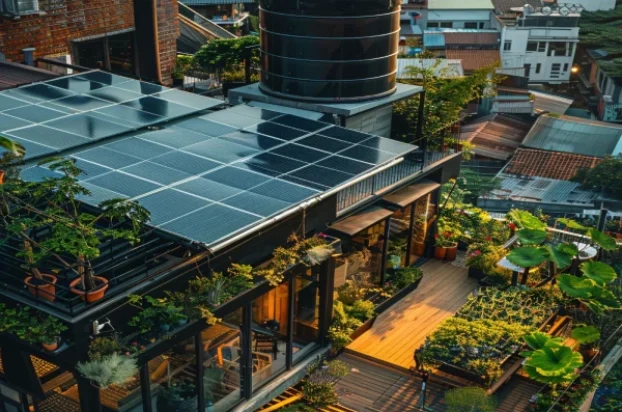
Back to Blog Page
Arrow Solar
comments (0)
August 21, 2025

The Benefits of Choosing Solar for Society Apartment Communities

Solar for Society Apartment

With rising electricity bills and increased worries about the environment, many housing societies are turning to renewable energy sources. Solar for society apartment projects are one of the most effective choices, allowing communities to harness the power of the sun to save money and encourage environmentally friendly living. Apartment complexes that use solar energy can reduce their reliance on traditional power sources while simultaneously creating a greener, more sustainable future for inhabitants.

Why Solar for Society Apartments Matters

Electricity usage in residential complexes is steadily increasing, as are monthly power expenses. Choosing solar for social apartment developments reduces reliance on the grid, assures a consistent energy supply, and contributes to a greener environment. Beyond cost savings, solar adoption establishes towns as forward-thinking and environmentally conscientious.

Partnering with the best solar firms ensures a smooth transition from design and installation to long-term maintenance. With expert direction, societies may maximize solar efficiency, take advantage of government incentives, and reap the benefits of renewable energy with minimal effort.

Key Benefits of Solar for Society Apartment Communities

Choosing solar for society apartment communities provides numerous benefits that go beyond simply saving money. When solar panels are erected on rooftops or communal places, the generated electricity powers common utilities such as elevators, water pumps, parking lights, and security systems. This reduces the society’s reliance on grid electricity, resulting in significant monthly savings for all residents. These savings accumulate over time, resulting in a considerable financial return on investment, making solar not just a sustainable but also a prudent economic decision. 

Another significant advantage is energy independence. Apartment complexes sometimes experience power outages or fluctuations, particularly during peak demand seasons. Installing solar systems allows communities to rely on a consistent and clean power source, reducing their exposure to grid breakdowns. In some circumstances, when combined with battery storage or net metering, communities can even send excess power back into the grid and receive credits, thus increasing their energy security.

Another convincing reason why more communities are adopting solar electricity is its environmental impact. Traditional electricity is frequently generated from fossil fuels, which contribute to carbon emissions and pollution. By switching to renewable energy, housing societies can drastically lower their carbon footprint. This not only benefits residents by making their living environment cleaner and greener, but it also helps to battle climate change on a worldwide scale.

There is also the added benefit of higher property values. Modern purchasers and tenants are growing more concerned with sustainability and long-term affordability. An apartment complex that uses solar energy automatically becomes more appealing in the real estate market. Potential purchasers perceive it as an investment that offers lower electricity bills and environmentally friendly living, giving such residences a competitive advantage.

Government subsidies increase the appeal of going solar. Several subsidies, tax breaks, and net metering rules are available to help make solar installations more economical. Working with the top solar firms allows societies to easily navigate these benefits, ensuring they make the best use of available financial support while lowering overall project costs.

In essence, the advantages of solar for apartment complexes are comprehensive. They discuss financial savings, energy security, environmental stewardship, and long-term property values. By taking this step, communities not only ensure reliable and inexpensive power, but also embrace a modern, sustainable, and future-ready lifestyle.

How Solar Works in Apartment Societies

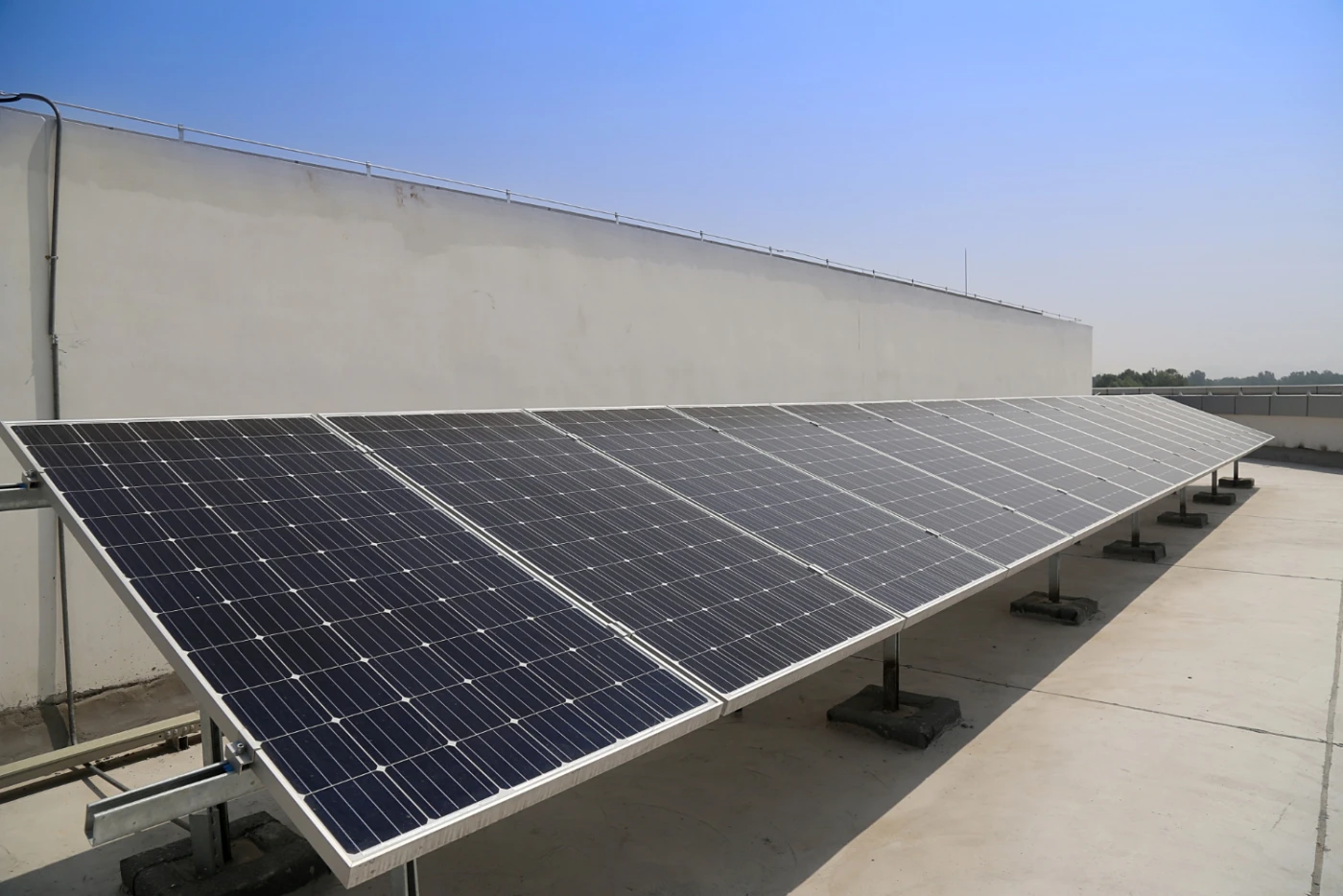
Adopting solar for society apartments is important . Apartment complexes may appear complex at first, but the procedure is simple once understood. Solar systems collect sunshine, convert it to usable electricity, and distribute it throughout the residential complex to fulfill daily power requirements. This minimizes reliance on the grid and makes energy consumption more economical.

  • Centralized solar systems: Most housing societies install a centralized solar system on the rooftop or open terrace areas. The electricity generated is used to power common areas like elevators, water pumps, corridor and parking lighting, security systems, and clubhouse amenities. This means that the society’s shared expenses are greatly reduced, benefiting all residents equally.
  • Individual solar installations: Another concept comprises individual solar hookups, in which tenants can put panels on their own rooftop or balcony area. The energy created is used directly in their homes to power appliances, lighting, and air conditioning. Net metering enables residents to earn credits on their electricity bills by returning excess power to the grid. 
  • Hybrid models provide flexibility: Some progressive cultures use a hybrid strategy, combining centralized and individual systems. In this manner, shared spaces benefit from lower prices, while people retain personal control and savings on household use.

The Role of Best Solar Companies

Solar for Society Apartment

Working with the best solar providers ensures that all aspects of planning, installation, and maintenance run well. These companies assist societies with:

  • Conducting energy audits to determine requirements.
  • Creating tailored solar systems to maximize rooftop utilization.
  • Setting up battery storage systems to ensure an uninterrupted power supply.
  • Overseeing government approvals, subsidies, and net metering processes.

Apartment communities can gain long-term savings, energy independence, and a better lifestyle by selecting the correct installation model and receiving expert guidance with solar for society apartment.

Challenges and Solutions

Adopting solar for society apartment complexes has long-term benefits, but the solar panel installation process might be challenging. One of the most prominent worries is the lack of rooftop space in residential buildings. With so many residents sharing the same structure, the available space for solar panel installation may be insufficient to provide the entire community’s energy requirements. However, this problem can be solved by focusing initially on centralized systems that power common utilities like lifts, water pumps, and corridor lights. Furthermore, the leading solar businesses now provide modern, high-efficiency panels that generate more power in less area, guaranteeing that every square foot of rooftop is utilized to its full potential.

Another key challenge that civilizations face is the substantial initial investment. The initial cost of panels, inverters, and installation might be prohibitively expensive for both committees and residents. Fortunately, government subsidies, tax breaks, and net metering programs make solar far more economical than it appears. Many service providers also give financing options, flexible EMI plans, and even power purchase agreements, in which the society pays only for the electricity used rather than owning the entire system. These methods enable cities to embrace solar without imposing significant financial burdens on citizens.

Another area of worry is maintenance, as solar panels need to be cleaned and serviced on a regular basis to ensure maximum efficiency. Apartment communities frequently worry about who will undertake the upkeep. This problem can be remedied by collaborating with reliable providers who offer annual maintenance contracts, guaranteeing that the system functions properly for years with minimal input from the inhabitants themselves.

The lack of awareness among residents is similarly difficult. Many individuals are still unfamiliar with how solar systems work and are unconvinced that they can actually supply the energy needs of huge populations. Increasing knowledge through community forums, workshops, and case studies of other successful solar projects can often assist overcome opposition and boost confidence in the decision.

Finally, legal and approval difficulties like as obtaining authorization from local authorities and putting up net metering might be burdensome for committees. When societies partner with the best solar companies, these service providers often manage the full process, from paperwork and approvals to state regulation compliance, ensuring a smooth transition.

By identifying these obstacles early on and collaborating with skilled solar partners, societies may successfully overcome hurdles and reap the numerous long-term benefits of renewable energy. With the correct technique, solar is not only a viable option but also a significant step toward more sustainable and cost-effective apartment living.

Conclusion

 Adopting solar for society apartment developments is more than just a cost-cutting solution; it is a proactive investment in sustainability, energy independence, and community well-being. By switching to solar, housing societies may save money on electricity, assure a consistent power supply, and help to clean up the environment. Beyond the financial and environmental benefits, solar increases the long-term value of apartment complexes, making them more appealing to potential owners and inhabitants. With government incentives and the backing of the greatest solar firms, the transition to renewable energy has never been easier. Solar power is not just an option for civilizations looking to future-proof their living spaces; it is also the smarter and more responsible way to go.

💬 Chat for Subsidy Help

Arrow Solar

Leave a comment

Your email address will not be published. Required fields are marked *