
Back to Blog Page
Arrow Solar
comments (0)
July 25, 2025

Top Benefits of Installing a Solar Power Plant on Industrial Premises
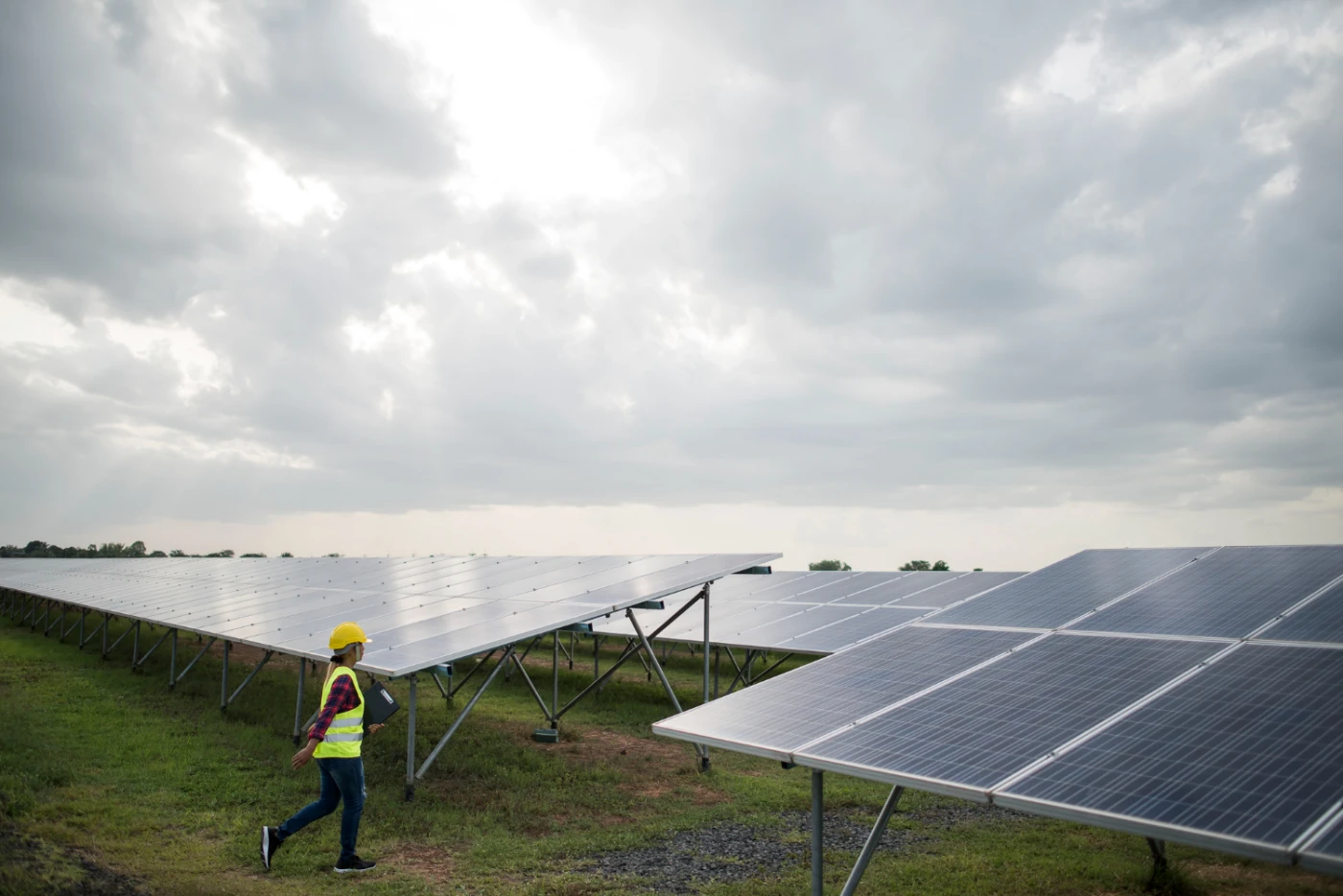
solar power plant

In today’s fast-paced industrial scene, energy consumption has reached a record high. With rising electricity costs and growing demand to embrace sustainable practices, enterprises are aggressively looking into renewable energy options. Among these, the solar power plant stands out as a dependable and cost-effective solution.

While solar technology was formerly limited to household applications such as solar power plants for homes, it has now grown to satisfy the high demands of factories, warehouses, and manufacturing facilities. Investing in an industrial solar power plant is no longer just an environmentally friendly choice; it is a strategic business decision.

Cost Savings with Industrial Solar Power Plants

One of the most compelling reasons industries invest in solar power plants is the huge reduction in electricity costs. Industrial establishments often use energy-intensive machinery, lighting, and HVAC systems, resulting in enormous monthly power expenditures. Businesses that switch to an industrial solar power plant can significantly reduce their costs.

Unlike grid electricity, which fluctuates in price, solar energy provides long-term price stability. Once installed, a solar power plant provides free electricity from sunlight, allowing enterprises to reduce their reliance on the grid. This adds up to significant savings over time, with many organizations seeing a return on investment (ROI) in as little as 3-5 years.

Furthermore, many regions have net metering policies that allow excess solar energy to be fed back into the grid, providing additional revenue or credits. The longer the system operates, the more money it saves, making solar not only a green choice, but also a financially sound one.

Energy Independence and Operational Reliability

Energy reliability is critical in industrial operations. Unplanned power outages or voltage fluctuations can disrupt production lines, damage sensitive equipment, and result in costly downtime. Installing an industrial solar power plant helps to reduce these risks by providing a consistent, self-sustaining supply of electricity.

Unlike traditional grid dependency, a solar power plant—especially when combined with battery storage—can provide continuous power supply. This independence enables industries to operate even during high load periods or blackouts, minimizing their dependency on external power providers.

Interestingly, the same notion applies on a smaller scale with a residential solar power plant, allowing homeowners to avoid escalating electricity bills and unpredictable power outages. However, for industries, the impact is exponentially higher, providing increased control over energy production, consumption, and cost predictions.

By embracing solar, industrial units take a proactive approach to operational resilience and energy autonomy, ensuring that productivity remains high regardless of external power conditions.

Government Subsidies and Financial Incentives

The initial expense of establishing a solar power plant, particularly on an industrial scale, may appear overwhelming. However, both the national and state governments in India provide a variety of financial incentives, making solar adoption significantly cheaper.

Industries that want to build an industrial solar power plant might profit from renewable energy laws that provide subsidies, accelerated depreciation (up to 40% in some situations), and tax breaks. These incentives drastically minimize the upfront cost while improving the return period.

Furthermore, government-backed schemes such as the PM-KUSUM, SECI auctions, and different net metering rules encourage enterprises to switch to renewable energy. These advantages are not confined to companies; there are also lucrative subsidies available for installing a solar power plant at home, which has spurred the residential solar boom.

By utilizing these financial tools, enterprises can minimize installation costs, lower tax responsibilities, and begin reaping the benefits of solar electricity much sooner than anticipated.

Eco-Friendly and Sustainable Operations

Solar Power Plant

Sustainability is no longer a buzzword; it is a commercial requirement. Installing a solar power plant allows enterprises to significantly minimize their environmental footprint. Traditional power sources rely primarily on fossil fuels, which produce damaging greenhouse gases. In contrast, solar energy is clean, renewable, and plentiful.

An industrial solar power plant is critical in helping businesses achieve their sustainability and Corporate Social Responsibility (CSR) objectives. By switching to solar, industries can help to reduce carbon emissions, conserve natural resources, and promote environmental stewardship.

This green trend is also reflected in the residential sector, where a solar power plant for the home allows families to live more sustainably. However, the environmental impact is significantly greater when implemented on industrial premises due to higher energy consumption and increased visibility.

Adopting solar not only benefits the environment, but it also improves a company’s public image, allowing it to recruit environmentally concerned consumers, investors, and partners.

Easy Maintenance and Long-Term Efficiency

One of the most significant benefits of investing in a solar power plant—whether for personal or industrial purposes—is the little maintenance required. Once installed, a solar system requires little maintenance and provides dependable performance for at least 25 years.

For industries, an industrial solar power plant is constructed with high-quality components that can survive harsh environments. To ensure optimal energy output, these systems just need to be cleaned periodically and inspected on occasion. Advanced monitoring systems enable real-time performance tracking, quickly identifying any potential issues.

Interestingly, a solar power plant for home shares the low-maintenance benefit, allowing homeowners to generate long-term energy with minimal effort. However, on industrial sites, the benefits are enhanced due to the magnitude of energy savings and the crucial nature of uninterrupted power supply.

In brief, once installed, solar systems become self-sustaining energy solutions that require little maintenance while providing significant efficiency, savings, and environmental value.

Enhanced Brand Image and CSR Value

In today’s competitive market, firms are judged not just on their products and services, but also on their values and environmental responsibilities. Installing a solar power plant is a clear and effective way for a company to demonstrate its commitment to sustainability.

An industrial solar power plant demonstrates to customers, partners, and investors that your company takes environmental responsibility seriously. This boosts company credibility and can even help environmentally concerned clients decide who to collaborate with.

Furthermore, incorporating solar power into operations promotes Corporate Social Responsibility (CSR) initiatives. It establishes your organization as a forward-thinking, responsible entity dedicated to lowering its carbon footprint and promoting renewable energy.

This advantage is also visible in the domestic sector, where a solar power plant for house demonstrates an individual’s commitment to green living. For industries, however, the scope of effect is larger, affecting not only the surrounding environment but also motivating others in the ecosystem to adopt sustainable practices.

Going solar is about more than just saving money; it’s about establishing a reputation that coincides with the future of business and the environment.

Scalable and Flexible Design Options

One of the primary benefits of a solar power plant is its adaptability. Solar systems can be designed to meet specific energy requirements, whether they are powering a large industrial unit or a small residential space.

An industrial solar power plant can be constructed for rooftop installation, ground-mounted setups, or hybrid arrangements that include diesel generators and grid power. These systems are modular, which means you may begin with a set capacity and expand as your energy needs rise.

This adaptability is also a major reason why solar power plants for homes have become so popular. Homeowners like the ability to build a system that meets their current demands while also providing the flexibility to grow later—just as industries do, but on a greater scale.

With careful design and smart engineering, industrial solar systems may utilize available space, enhance performance, and integrate with existing energy infrastructure, ensuring that your company gets the most out of the sun today and in the future.

Conclusion

Installing a solar power plant on industrial premises is more than just an energy update; it is a long-term strategic investment. The benefits are clear and measurable, ranging from significant cost savings and energy independence to improved sustainability and brand reputation.

An industrial solar power plant enables enterprises to minimize operational costs, comply with regulatory requirements, and follow global environmental trends. Meanwhile, the growing popularity of solar power plants for homes exemplifies the global trend toward cleaner, better energy solutions, whether for personal or commercial usage.

As the world transitions to renewable energy, now is the ideal time for industries to embrace solar and future-proof their operations. Partner with a reputable solar provider and take the first step toward a cleaner, more efficient future.

💬 Chat for Subsidy Help

Arrow Solar

Leave a comment

Your email address will not be published. Required fields are marked *