
Back to Blog Page
Arrow Solar
comments (0)
July 24, 2025

A Complete Guide to Commercial Solar Panel Installation
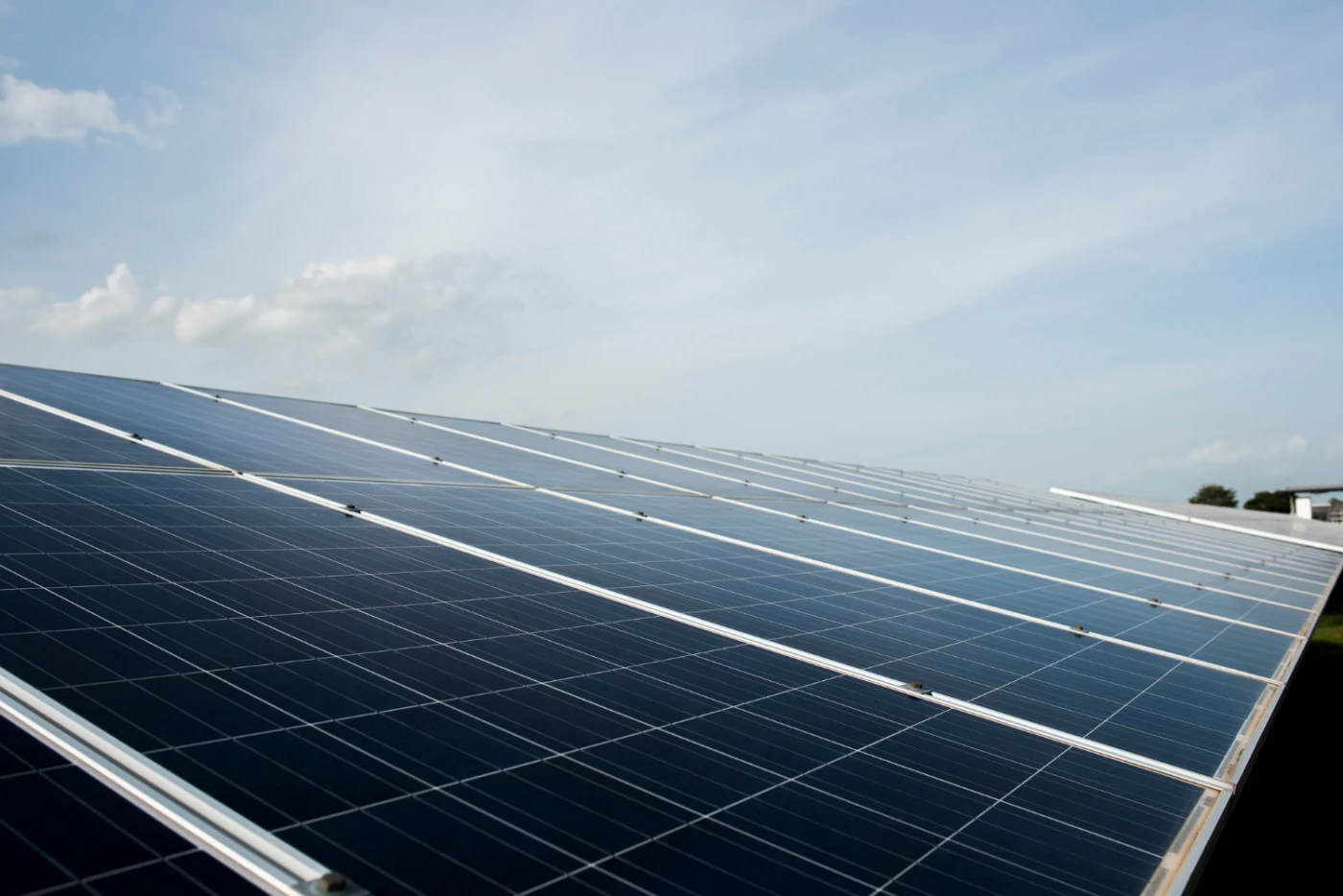
Commercial solar panel installation

What is Commercial Solar Panel Installation?

Commercial solar panel installation is the process of installing solar power systems on business, industrial, or institutional premises to generate electricity from sunshine. Unlike residential solar systems, which are built for individual homes, commercial systems are larger in scale and customized to satisfy the higher energy demands of offices, industries, warehouses, schools, malls, and other commercial enterprises.

These installations could be:

  • Rooftop mounted on large commercial buildings.
  • Ground-mounted on undeveloped property near industrial units,
  • Or a portion of solar carports in parking lots.

The primary goal is to reduce electricity costs, enhance energy efficiency, and contribute to environmental objectives—all while leveraging government subsidies and increasing aawareness of clean energy.

Benefits of Commercial Solar Panel Installation

  • Significant cost savings: Solar panels can significantly cut your monthly electricity expenditures. Over time, the system pays for itself and provides ongoing savings, particularly as energy costs rise.
  • Government subsidies and tax incentives: Businesses can benefit from government schemes such as Accelerated depreciation (up to 40%), GST benefits, Net metering policies. These lower total project costs increase ROI.
  • Energy independence: Generating your own power decreases your reliance on grid electricity and protects your organization from disruptions and variable pricing.
  • Positive environmental impact: Commercial solar panel installation contributes to a cleaner environment by lowering your carbon footprint and dependency on fossil fuels.
  • Enhanced brand image: Going solar demonstrates your dedication to sustainability. This can enhance customer perception, attract environmentally sensitive customers, and raise your corporate social responsibility (CSR) reputation.
  • Increased Property Value: Solar-equipped commercial premises are considered modern, energy-efficient, and attractive in the real estate market.

Key Components of a Commercial Solar System

Commercial Solar Panel Installation
  • Solar Panel: They are the most visible components of the system. Solar panels convert sunlight into direct current (DC) electricity.
  • Inverters: Inverters transform the DC electricity generated by the panels into alternating current (AC), the type of electricity used by the majority of business appliances and equipment.
  • Mounting Structure: These are used to support and secure solar panels to the roof, ground, or other surfaces. They are designed to provide the best panel angle and exposure to sunlight. 
  • Monitoring systems: Real-time monitoring of energy output, system health, and performance parameters is achieved by digital platforms or software. This aids in increasing efficiency and identifying problems early.
  • Battery Storage is optional: Some commercial systems have batteries to store excess power for use during non-sunny hours or power shortages. 

These components work together to provide dependable, cost-effective, and clean energy tailored to your company’s specific requirements.

Step-by-Step Process of Solar Panel Installation

Installing a company solar system involves meticulous planning, technical evaluation, and expert execution. Here’s an overview of the normal installation procedure:

  • Site assessment and feasibility: Professionals visit your property to evaluate it. Available rooftop or ground space, sunlight Exposure, current energy consumption.
  • System Design and Proposal: Engineers design a specific solar layout depending on your power requirements, location characteristics, and business objectives. You will get a proposal outlining: System specifications, Expected output, Cost and savings, Payback period.
  • Approvals and paperwork: Before installation, the required permissions are requested from: Local municipal bodies, electricity boards (net metering), Government subsidy programs (where relevant).
  • Installation and Testing: Certified personnel install the panels, inverters, and electrical components. Following the setup, the system is tested for safety and efficiency.Before connecting to the grid, a last examination is performed.
  • Grid connection and commissioning: Your solar system is connected to the grid using net metering. Any excess energy you generate can be sent back into the system for credit. 
  • Continuous Monitoring and Maintenance: Once operational, the system is monitored using a dashboard. Periodic maintenance ensures that it operates optimally over its 20-25 year lifespan.

Factors to Consider Before Installation

Before proceeding with a commercial solar panel installation, it is critical to assess several key elements to guarantee the system meets your energy requirements and provides long-term value:

  • Roof area and structural integrity: Make sure your building has enough room and a solid structure to sustain the weight of solar panels and mounting equipment. A structural audit is usually required.
  • Energy Use Patterns: Analyze your company’s energy consumption, both daily and seasonal, to find the optimal system size. This helps to increase savings and efficiency.
  • Budget and ROI: While solar is a long-term investment, the initial costs might be high. Assess your budget, potential subsidies, and projected payback duration.
  • Regulatory approvals and permissions: Local restrictions, building rules, and utility board permissions (for example, net metering) can all have an impact on installation timings and scope.
  • Installer Experience and Reputation: Choose a certified, professional solar installation with a track record of successful commercial projects. This provides high-quality work and consistent after-sales assistance.
  • Location and sunlight availability: Solar conditions are ideal in regions such as Bangalore. Ensure that your property receives enough sunlight throughout the day for best efficiency.
  • System Scalability for Future Expansion: Plan for future energy needs by selecting a system that can be ramped up when your company expands or adds more facilities.

These considerations help to guarantee that your commercial solar system is efficient, compliant, and in line with your business objectives.

Cost of Commercial Solar Installation

Understanding the cost of commercial solar panel installation is essential for making informed investment decisions. While the initial expenditures may appear considerable, the long-term savings and ROI make it a financially prudent decision for most firms.

  • Average Cost Breakdown: The cost varies depending on the system size, panel type, and installation complexity. 
  • ROI: Most commercial solar systems pay for themselves within three to five years. With low maintenance expenses and a lifespan of up to 25 years, total savings can range from several thousands to crores, depending on usage.
  • Financing options: Bank loans and solar financing plans, Power Purchase Agreements (PPA). Government subsidies and accelerated depreciation contribute to further reductions in the burden.

Get a personalized quote based on your energy usage and site circumstances to see real-time expenses and savings.

Why Businesses in Bangalore Are Going Solar

Bangalore, widely known as India’s Silicon Valley, is not only a technology hub but also a growing center for renewable energy usage, particularly solar. Here’s why commercial solar panel installation is becoming increasingly popular among Bangalore businesses:

  • Year-round, abundant sunlight: With over 300 sunny days per year, Bangalore has tremendous solar potential, making it perfect for steady solar power generation.
  • High commercial electricity tariffs: Businesses in Bangalore pay some of the highest electricity costs in the country. Solar is a cost-effective solution that drastically lowers monthly operational costs.
  • Government incentives and net-metering policies: The Karnataka government aggressively promotes solar adoption through subsidies for solar equipment., accelerated depreciation benefits. Net metering policies enable enterprises to sell excess electricity back to the grid.
  • Increasing Corporate Sustainability Goals: Bangalore’s modern firms are more focused on ESG (Environmental, Social, and Governance) objectives. Adopting solar is consistent with corporate social responsibility (CSR) objectives.
  • Availability of Expert Solar Installers: The city boasts a strong ecosystem of professional solar installation companies that provide bespoke solutions for commercial and industrial clients.
  • Industrial Clusters and IT Parks: Solar is increasingly being integrated into Bangalore’s commercial infrastructure, from technology parks to manufacturing zones. Solar energy is not only environmentally friendly, but also a profitable investment for Bangalore-based enterprises.

Choosing a Reliable Solar Installer

Choosing the appropriate solar installation partner is critical to the success of your commercial solar project. A dependable installer not only ensures a seamless installation but also improves system performance and long-term ROI.

  • Proven experience with commercial projects: Look for installers who have a proven track record of successful commercial solar installations, particularly for businesses of your size and industry.
  • Certification and Licensing: Make sure the installer is: Certified by government authorities such as the Ministry of New and Renewable Energy (MNRE), Registered with DISCOMS (Distribution Companies), Using certified and high-quality solar components (panels, inverters, etc.).
  • Provide transparent pricing and proposals: A reliable installer offers: Clear cost breakdowns, detailed ROI analysis. There are no hidden charges.
  • Complete After-Sales Support: Select a service that offers: System monitoring tools, regular maintenance packages, prompt service in the event of issues or unavailability
  • Custom solutions, not one-size-fits-all: Your solar installer should provide specialized system designs depending on your energy requirements, building type, and budget.

Shortlist at least 2-3 installers, compare their proposals, and request a free site evaluation before making a final decision.

Conclusion

Commercial solar panel installation is more than just a trend—it’s a strategic investment for businesses looking to reduce energy costs, enhance sustainability, and future-proof their operations. With electricity prices on the rise, now is the ideal time for businesses—especially those considering solar installation in Bangalore—to make the shift to solar energy.

Understanding the installation process, assessing prices, and selecting a reputable solar partner will help you make a smooth transition to clean energy. Whether you run a factory, an office building, or an IT park, solar power provides long-term savings, energy independence, and a greener corporate image.

Take the first step today: arrange a site assessment to learn how solar may help your business succeed.

💬 Chat for Subsidy Help

Arrow Solar

Leave a comment

Your email address will not be published. Required fields are marked *